

Update from Maya
I am sure that Sex Matters supporters will not be surprised that following the publication of the long-awaited EHRC guidance the rump of recalcitrant, confused and captured organisations have not meekly agreed to get in line with the law.
At the Hampstead ponds the City of London is still operating its gender-identity based policy, and we have heard from several pond swimmers who were disturbed and upset by the sight of men in skimpy bikinis among the sunbathers during the hot half-term week.
Marks & Spencer is still advertising “men’s” and “women’s” changing rooms on its website, but using ambiguous signage in store and telling customers they can use whatever changing rooms they want.
Stonewall has apparently assured the EHRC that it will follow the Equality Act, but the activist group TransLucent and the trade union Unison say they want to change the law, and charity-sector leaders are telling charities they can afford to “take their time” before coming into compliance.
So there are going to be a lot more legal cases before this is all done.
Is it feasible for a lot of individuals to start legal cases? For most people it is too expensive and difficult – and it’s hard for us to help with a lot of individual cases. But we have been helping people to work out whether have a case that could be funded by the JK Rowling Women’s Fund, and putting together detailed guidance on how to make your own “small claim”.
This week we have published a guide to pursuing a small claim for gender-critical belief discrimination. More about that in the podcast and below.
We have also heard that our case against the City of London will be heard in November, which is not soon enough but will come. We are also working on several more cases, which I will share more news on in the next few weeks.
Maya Forstater
Small claims explained
Fighting bigotry in service provision
In this week’s episode, Helen and Maya talk through what is colloquially known as a “small claim” for belief discrimination against a service provider.
Examples of such discrimination include being refused service in a pub, barred from a gym or forced to leave an event because you are known or suspected to hold gender-critical beliefs (or to be associated with someone who does).
Sex Matters has published a guide on this process, which you can read on our website.
Fighting bigotry in service provision
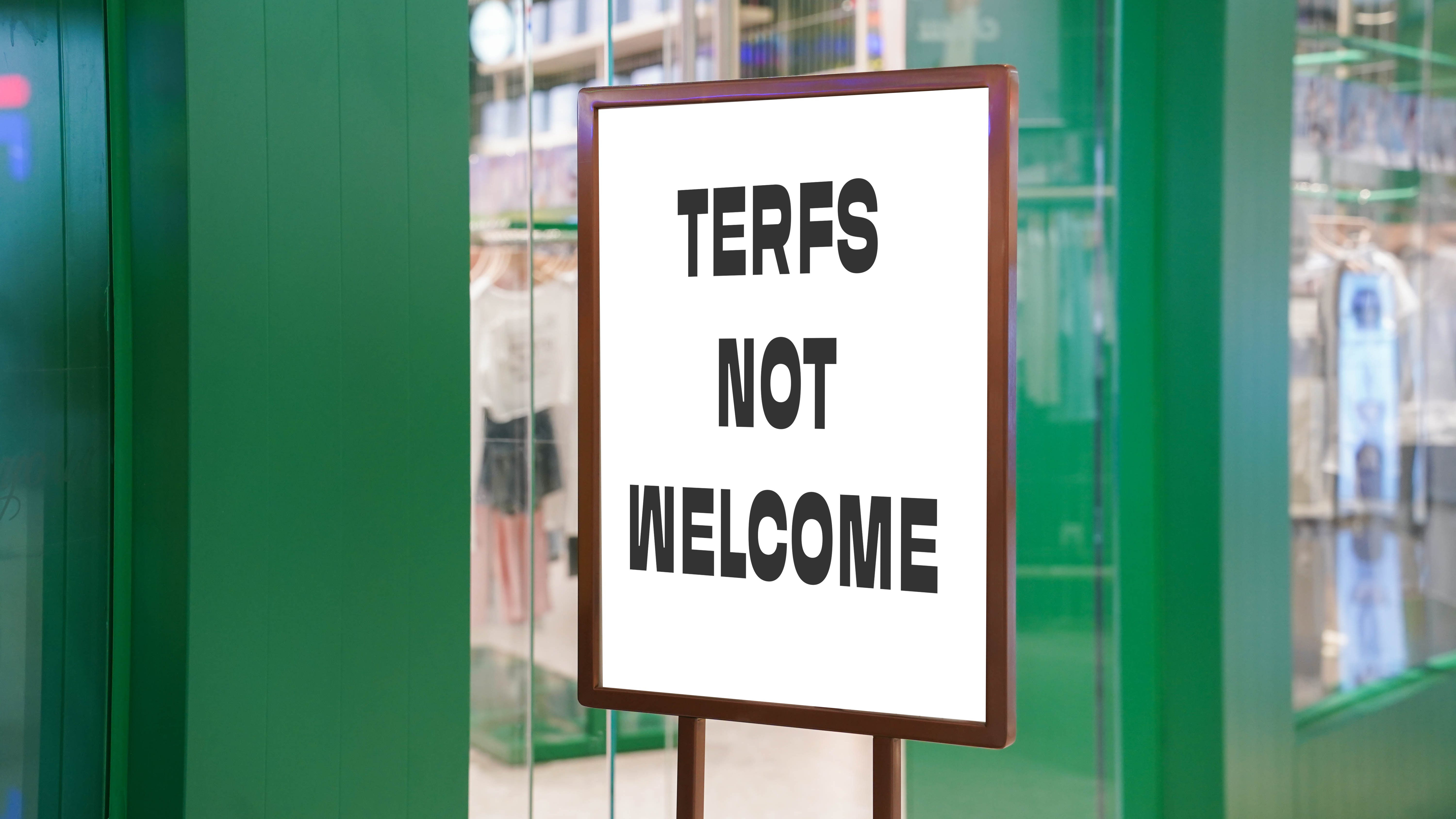
If you’re refused service in a pub, barred from a gym or forced to leave an event because someone knows you hold gender-critical beliefs, you can take what’s known as a “small claim” for belief discrimination to the county court. We explain the law, show you how to prepare a claim and what to ask for, and guide you through writing your “letter before claim”.
In the news
Coverage of the Equality and Human Rights Commission’s updated code of practice for service providers continued this week. Maya appeared on GB News’s Free Speech Nation with Josh Howie, while Fiona was interviewed by Julia Hartley-Brewer on TalkTV.
Daniel Martin and Dominic Penna for The Telegraph broke the news that Sex Matters has written to Bridget Phillipson calling for withdrawal of the “asking about sex” section of the EHRC guidance on the basis that it is legally wrong. Maya said that sex is not special-category data, but ordinary personal data that can be used routinely, just like other personal information such as name or age.
Lee Peart for Healthcare Management quoted Maya in its coverage of the guidance as saying that any business, charity or public-service provider that took a wrong turn and started letting men who identify as women use women’s spaces or vice versa must now urgently fix its policies, and that organisations that don’t want to get into legal trouble should seize on this opportunity for a reset.
Gabriella Swerling for The Telegraph had a front-page story on Sunderland Minster posting signage on social media which encourages trans-identifying people to use the bathroom of the opposite sex, in defiance of the guidance. Maya said that any woman using the facilities would probably have a case in claiming harassment against the diocese of Durham, so this just seems like legal action waiting to happen.
In other news, Gordon Rayner for The Telegraph covered the news that the new BBC director-general Matt Brittin is under pressure to deal with ongoing transactivism within the broadcasting corporation. Fiona said that the good work of many BBC journalists is being undermined by misleading output from other teams, and that to regain public trust Brittin needs to weed out transactivists and reassure staff that genuine impartiality will be rewarded, not punished.
Mary Wright and John Glover for the Scottish Daily Express wrote on the findings from campaign group Women Won’t Wheesht that 16 out of 17 Scottish universities, including Edinburgh, Glasgow, Aberdeen, Dundee and St Andrews, are failing to comply with the Supreme Court ruling. Fiona said that these universities are prioritising the feelings of young men who say they are women, and that graduates will enter the workplace thinking that women’s needs take second place to male feelings.
If you’d like this memo in your inbox every Friday at teatime, join our mailing list now.
Sex Matters survives on your support.
Without it, we simply wouldn’t exist.
Sex Matters can deliver essential research and analysis, help shape the debate, and empower people with clear, published guidance on their rights – but only with your support. Please contribute what you can to keep us going.