

When a news report calls a man a woman, readers are misled about what happened. They may be misled about who committed a crime, who won a women’s race or who was in a women’s changing room. Accurate reporting on sex is a basic matter of journalistic standards, and it really matters for women’s rights and safety.
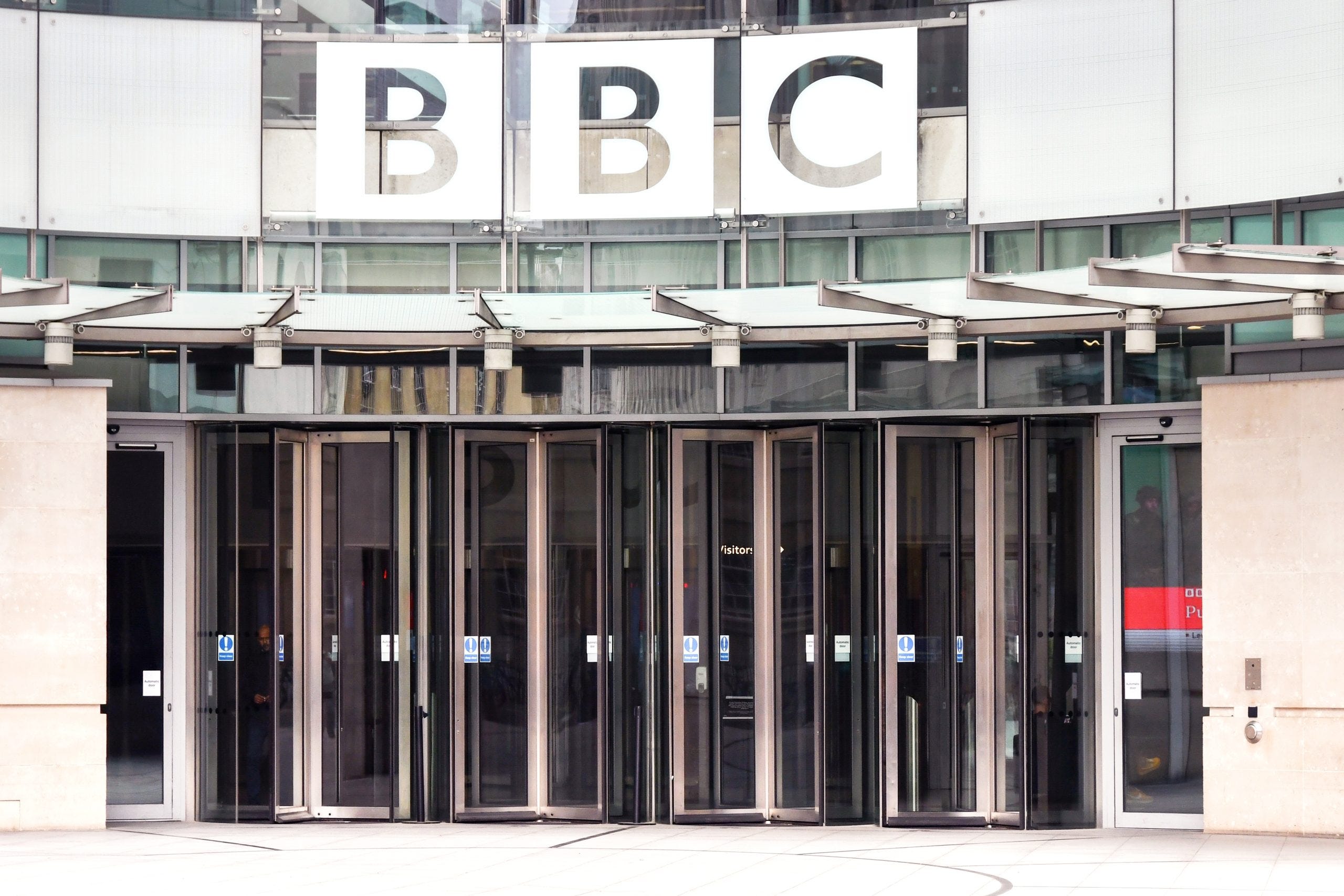
That is why we work constantly to hold the media to account. The BBC gets most of our attention, because it is publicly funded and bound by its charter to report accurately and impartially. We complain using its formal process, write directly to journalists whose bylines appear on problematic articles, and publicise failures on our own website and social-media accounts.
The BBC’s complaints process has three stages: a first complaint, a follow-up if the answer is unsatisfactory and then an escalation to the Executive Complaints Unit (ECU), the BBC’s final internal stage, after which the only recourse is to escalate to Ofcom, the independent media regulator. Of the 21 complaints we have made since January 2024, just seven have got as far as the ECU. But they are still very much worth making: every complaint, upheld or not, tells the BBC that we notice when it is biased, misleading or wrong.
Bang to rights
Sometimes, the BBC’s failings are so blatant that it has no choice but to admit that it got things wrong. On 6th August, The JVS Show on BBC Three Counties Radio ran a phone-in asking whether it was right to tell transgender people which toilet to use. A listener made a formal complaint to the BBC, saying that the segment had been one-sided, and posted the reply they received on social media. That reply said that a women’s group had been invited to take part but no one had been able to appear.
We saw that post, and knew that what the BBC said was not correct: a producer had asked us to provide a speaker; our director of campaigns, Fiona McAnena, had said she was available; and the producer then told her she was not needed. We put the record straight, which sparked an internal BBC review. The BBC accepted that the programme had failed to meet its standards of due impartiality, because it included no one who could speak with authority about women’s concerns. It removed the programme from BBC Sounds and published a correction.
On 22nd October the ECU confirmed the breach and published its finding. The station now requires senior managers to be consulted before covering significant or controversial issues, so that a proper range of views is included. We have asked to meet the BBC to discuss the review.
Previous successful complaints include:
The BBC added context to a July 2025 report on an employment tribunal, so that readers could understand that the “transgender woman” in the case was a man.
It added a link to coverage of the Supreme Court judgment, and corrected one-sided wording, in a March 2026 report on a women-only support group.
It added context to a June 2026 report on the government’s draft Conversion Practices Bill.
In September 2026 the ECU upheld our complaint about The Nolan Show on BBC Radio Ulster (22nd July 2026), finding that the programme had breached impartiality rules.
Different stories, same problems
In our years of monitoring coverage of sex and gender, we have seen the same issues come up again and again.
Men reported as women
Our complaints have included a BBC News report that called a man who killed his husband a “wife”, and a series of reports on sport that gave no hint that the athlete at the centre of an eligibility row was a man. In both cases the BBC defended the language as matching how the people described themselves or how they were described in court. We got the same response to a complaint we made last month about a reality-TV programme, Clean it, Fix It, shown three times on BBC One and BBC Two, in which the presenter introduced a man who identifies as a woman as “a lady”.
“Transgender woman” left unexplained
Many readers don’t know that a “transgender woman” is a man. When the BBC uses the phrase without saying this clearly, as it did in coverage of US Supreme Court cases on women’s sport, the story can’t be understood. The ECU told us in February that explaining the term is a matter of editorial discretion. We disagree: where sex is the point of the story, leaving it out makes the story inaccurate. In September we complained about a BBC India video interview, posted on Facebook and Instagram, with a cricketer who is a man who identifies as a woman. Both the BBC’s own text and the interview used “trans woman” without explanation, which, as we pointed out, goes against the BBC’s own style guide. The piece was also wholly sympathetic to the player, with no balance. We complained again in October about an article that used “transgender woman” without explanation and then called the man a “daughter” and “she” throughout.
Sex omitted when it is central to the story
We complained when a Radio 4 news bulletin on Olympic eligibility rules omitted the key fact that a particular athlete with a difference of sex development is a man, and when a report on The World Tonight about a violent attack did not say the attacker was a man.
One-sided coverage
We have challenged a Woman’s Hour interview presenting a late-transitioning man as a woman; a 6 Music broadcast of a track with lyrics inciting violence against women described as “TERFs”; and reports in which claims about women’s groups went unchallenged. When a regional politics programme on BBC One in May 2025 covered the Supreme Court judgment on the meaning of “sex” in the Equality Act, it filmed five men who described themselves as trans or non-binary, and no women. The BBC rejected our complaint, saying the item reflected lived experience.
We have also complained about biased treatment of gender-critical voices – less often, because those voices are rarely heard on the BBC in the first place. When our director of advocacy, Helen Joyce, was misrepresented on Woman’s Hour shortly after the For Women Scotland Supreme Court judgment, we pursued the complaint all the way to Ofcom. The regulator rejected the complaint, but we were still able to shine an unflattering light on the programme’s failure of balance by taking the story to the press.
Baby steps
Gradually – we think because of complaints from us and others as well as unflattering coverage in the press – the BBC is getting better.
Its style guide has been improved
After the Supreme Court ruled in April 2025 that “sex” in the Equality Act means biological sex, the BBC said it was assessing whether its style guide needed updating. In August 2026 it made changes. The guide used to tell journalists that the concept of gender identity is “contested by some”. It now says plainly that the concept of a gender identity is contested. It also warns against lumping lesbian, gay, bisexual and transgender issues together under umbrella terms, because they can be very different. Guidance on the use of “preferred pronouns” has not changed, however, and that is where we will keep pressing.
Some reporting has become clearer
Since late 2025 some BBC reports have described trans-identifying men as “biological males”, and some have avoided using female pronouns for trans-identifying men in court cases.
However, the BBC’s style guide still tells journalists to use the pronouns a person prefers, “unless there are editorial reasons not to do so”. The inevitable result is that men are still being referred to as “she” in reports about crime and sport, and to the term “transgender woman” appearing without explanation. We have ongoing complaints.
We will keep complaining, keep writing to editors and keep meeting newsrooms until reporting on sex is accurate as a matter of routine.
If you see a report that calls a man a woman, or uses “transgender woman” without explaining it, complain via the BBC’s complaints page. Keep it short, quote the words used and say why they mislead. If the answer doesn’t address your point, take it to the next stage. Every complaint is counted, and numbers matter.
Related content
It is so frustrating! Like banging your head over and over against a wall, but it has to be done. I've lodged several complaints myself to the BBC about these issues and the responses are never satisfactory - I don't mean that they didn't agree with me, I mean that they haven't put any effort in to defend their bias. They are a bunch of smug, overpaid, overly comfortable liberals and activists. It must be hell working there if you are not like that!
The BBC is totally captured. Everyone needs to stop paying the pointless license fee and then it will die the death it deserves.