

Update from Maya
For me, this week has been all about charities, both being chief executive of a tiny one and seeing how some of the big ones have lost sight of their mission and their core principles.
I have just completed the third and final in-person session at a course for new charity chief executives run by the Bayes Business School at City St George’s, University of London. It has been clear that some of the other chief executives experienced my presence viscerally. They regarded my presence as a category error. Others were friendlier, and I learned a lot.
The Charity Commission has clearly been receiving a stream of complaints about charities resisting complying with the Equality Act, and has just sent a series of responses, including to complaints about Stonewall, Amnesty International UK and Southwark Bridge (previously the YWCA – it runs a “women-only” gym along gender self-ID lines).
The commission said it was giving these charities “regulatory advice”. This means their trustees will receive tailored instructions and recommendations on how to improve governance and administration. The trustees will need to respond.
It has also promised to publish general advice to charities imminently. It is important that this doesn’t just repeat what the Equality and Human Rights Commission’s recent guidance on single-sex services says, but addresses the charity sector’s specific pattern of confusion, misdirection and harm.
Charities don’t only provide services (often to the most vulnerable people): they also try to influence culture, norms and public policy. They benefit from public trust and moral force, and are not disciplined – as profit-making enterprises are – by their customers’ freedom to choose. Instead, they are bound to act for the public good. And it is the responsibility of their trustees to make sure they don’t go off course.
But when it comes to people who exhibit gender non-conforming behaviour or appearance, charities have systematically misunderstood what “inclusion” means, with the result that they have lost their way. The sector is one of the most hostile places to be publicly gender critical. This is not just a problem of following bad guidance but a culture and governance problem. The National Society for the Prevention of Cruelty to Children (NSPCC) and Amnesty International are just two of the many big established charities that have allowed fringe ideas about gender to divert them from what should be their main focus – in their cases, child safeguarding and human rights.
Charities need to understand that true inclusion of “LGBTQ+” people, in particular gender-questioning children, in services and in public life means recognising their sex, and applying lawful sex-based rules and risk assessments clearly and fairly. Anything else is likely to be gender-reassignment discrimination and could be unlawful.
The other big thing I have been doing this week, together with Sex Matters’ trustees – Emma Hilton, our chair, and Michael Biggs, Rebecca Bull, Simon Knapp and Anya Palmer – is shortlisting applications for new trustees to join our board.
We have been blown away by the breadth and quality of applications. 53 people applied, including senior charity chief executives and NHS clinicians, City lawyers and barristers, professors, a former government minister, senior bankers and technologists – people who have spent decades running organisations, sitting on boards and leading in their fields, putting themselves forward to help govern this small charity.
Charities are difficult to govern, and Sex Matters is more difficult than most. It says a lot that some of the most accomplished people in their professions want to give us their time and do so publicly because they believe the work matters, and because they believe we have built something worthy of their time, trust, reputation and hard work. That trust has been built by everyone who has backed us along the way – so thank you.
The charity sector’s safeguarding problem
Without clear sex-based rules, children are at risk
This week, Maya Forstater and Fiona McAnena explain the key role charities have played in allowing misunderstandings of the Equality Act 2010 to undermine safeguarding in schools.
They look at recent NSPCC guidance on changing rooms, which could allow male teachers to supervise female pupils while they get changed, counter to essential safeguarding principles.
They discuss the charity sector’s opposition to Keeping children safe in education, statutory guidance for schools that was recently updated to emphasise the importance of clear sex-based rules.
They argue that schools should reject advice from charities that are unwilling to state and act on risk factors related to sex. Secrecy, lies and evasion about sex put children at risk of abuse, exploitation and harm.
To get our updates in your inbox, subscribe to our Substack.
Find out more
An alliance of charities is undermining safeguarding in schools
NSPCC’s changing-room guidance fails girls
Media coverage
Male teachers can supervise girls in changing rooms, says NSPCC
“It is cowardly, weak and hypocritical of the NSPCC to try to pass the buck for setting detailed, practical guidance on running safe school changing rooms to the equalities regulator. This simply isn’t the EHRC’s job.” - Maya Forstater
Tom McArdle, Daniel Martin • The Telegraph
NSPCC cuts guidance on who can supervise pupil changing rooms
“While removing some of the worst elements of the previous version, it introduced new ambiguity, leaving schools without the clear, lawful advice they need.” - Maya Forstater
Georgia Lambert • The Times
NSPCC’s changing-room guidance fails girls | Fiona McAnena on GB news
Martin Daubney • GB News
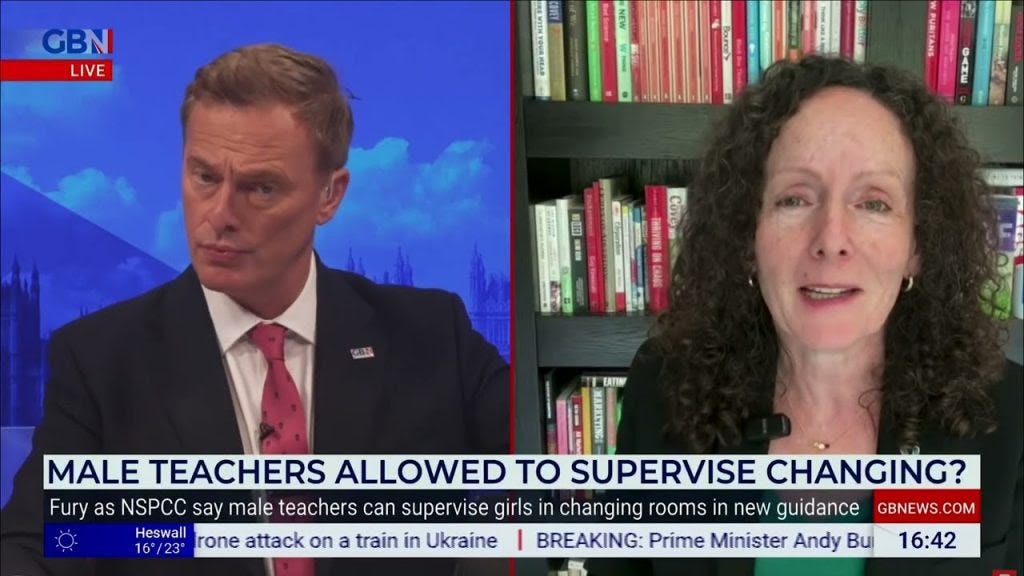
Fury as NSPCC say male teachers can supervise girls in changing rooms
“As the leading UK body for the safeguarding of children, what is the NSPCC for if not to do its utmost to protect children? It appears instead to have decided that the safer route is to avoid offending trans activists,... - Maya Forstater
Sam Merriman • Daily Mail
In other news
Civil servants revolt over trans lavatory ban
“It’s bordering on hostile for women, at a time when government departments are keen to get more people back into the office. This is not very welcoming if you’re a female civil servant.” - Fiona McAnena
Daniel Martin • The Telegraph
Burnham must rewrite Equality Act to support trans rights, union activists say
“The only direction this can go is to dismantle vital protections for the sex-based rights of women and girls.” - Maya Forstater
Genevieve Holl-Allen • The Telegraph
Conference discounts for Sex Matters’ supporters
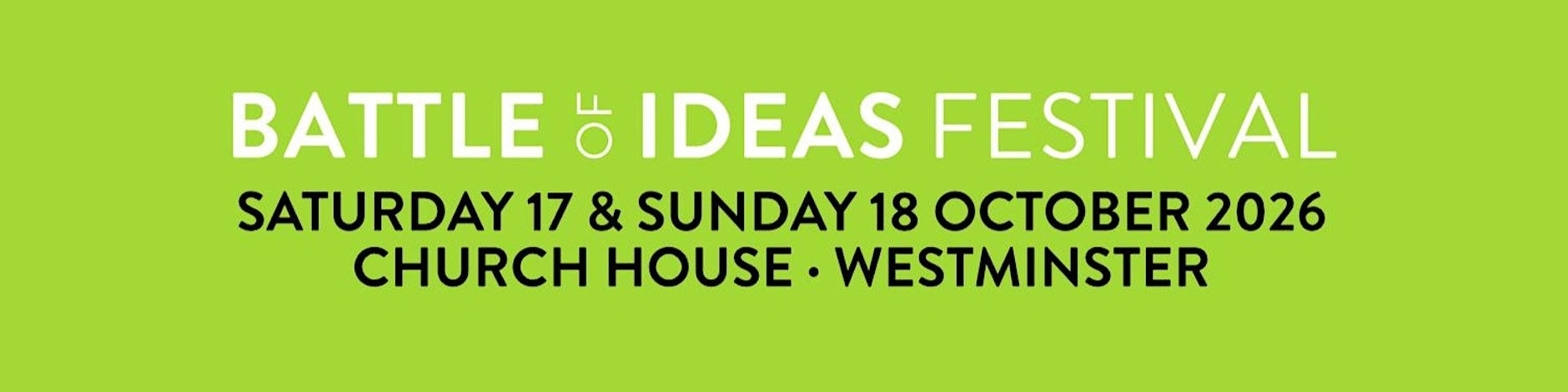
Helen Joyce is speaking on two panels on Sunday 18th October at the Battle of Ideas Festival: one on conversion practices and one titled “Assisted death to sexual freedom: autonomy and its discontents”. Find out more and book using the code SEXMATTERS26 to get an extra 20% off.
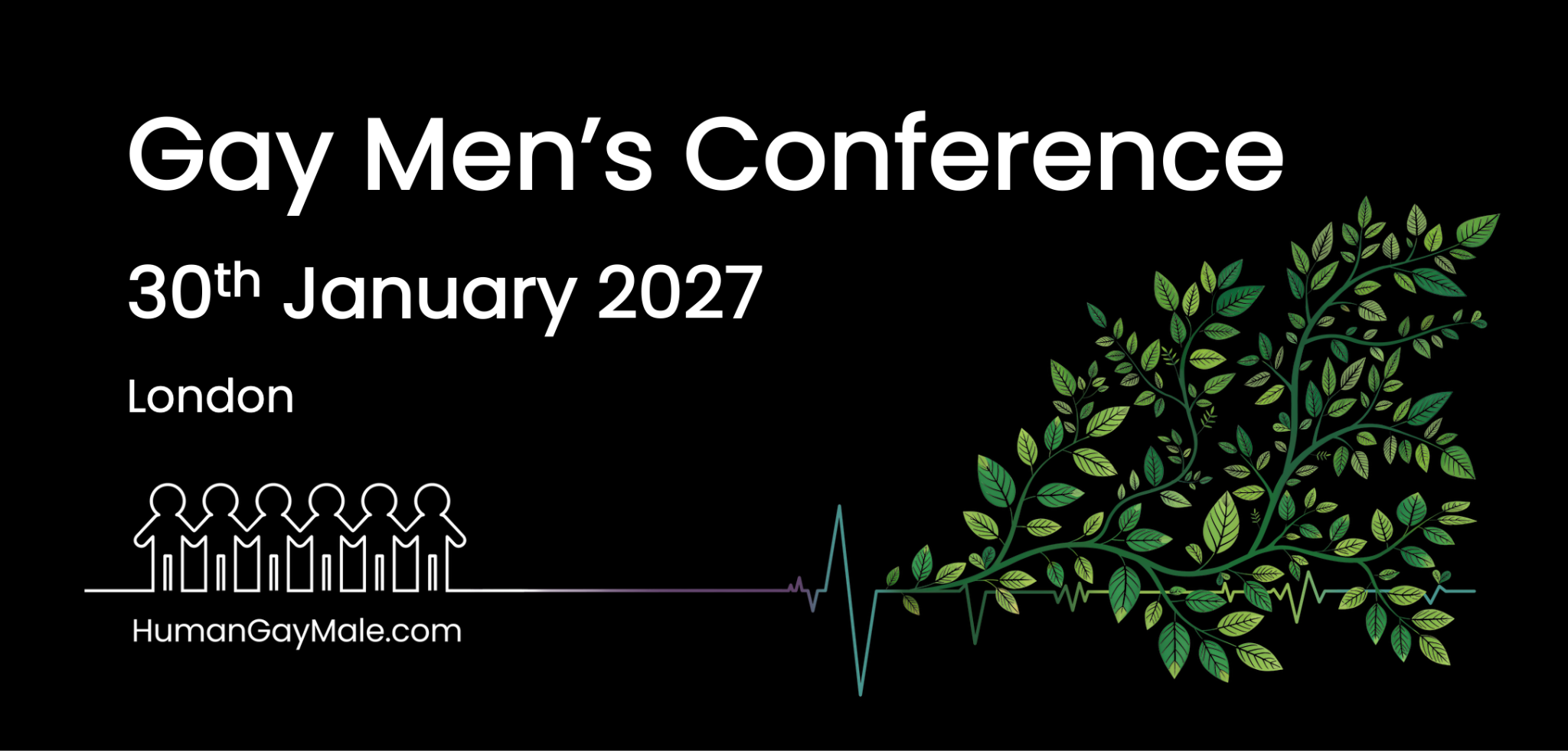
Human Gay Male’s interactive one-day Gay Men’s Conference will bring gay men together to explore the issues that matter to them and help shape advocacy based on biological sex and sexual orientation. Book using the code SM20 to get 20 percent off standard passes.
If you’d like this memo in your inbox every Friday at 5pm, join our mailing list now.
Sex Matters survives on your support.
Without it, we simply wouldn’t exist.
Sex Matters can deliver essential research and analysis, help shape the debate, and empower people with clear, published guidance on their rights – but only with your support. Please contribute what you can to keep us going.