

Update from Maya
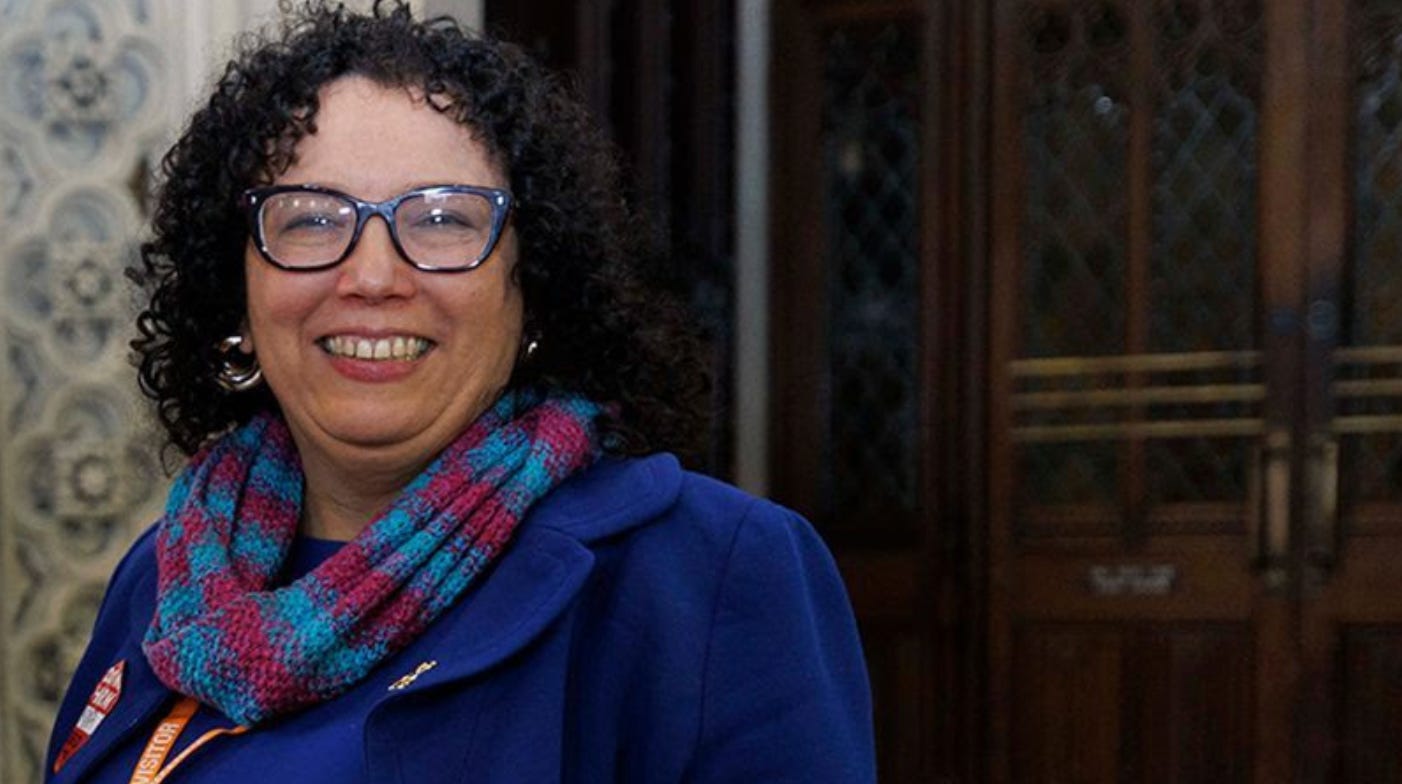
Maya in Westminster Hall, March 2026. Photo: Belinda Jiao
I was in Parliament this Monday for a cross-party briefing on the draft Conversion Practices Bill, which targets parents, teachers, therapists and religious bodies in England and Wales. The meeting was well attended by gender-critical peers and MPs who wanted to understand how to challenge it, and its prospects of becoming law.
The panel consisted of lawyers and campaigners. The most heart-breaking testimony was from the mother of a trans-identifying child. She described ordinary parents already facing police investigations and threats of prison over their gender-distressed children. “It takes us backwards to the pre-Cass era because it makes unquestioning affirmation of a child’s cross-sex identity the safest option,” she said, adding that it “casts suspicion on any parents who don’t go along with the idea that their child has some kind of mind-body mismatch that might require fixing via hormones and surgery.”
A conversion-therapy ban was first promised in 2018 by Theresa May’s government. But the stage of a draft bill being published has only now been reached. Next month that bill will go to a parliamentary committee for pre-legislative scrutiny.
In the eight years politicians have been talking about the urgent need for this new law, said one speaker at the event, no one has produced a single case of a genuine victim of abuse being failed by police or the courts under existing law. The gap the bill claims to fix simply hasn’t been shown to exist.
Its promoters say the bill is carefully targeted, but the lawyers in the room highlighted its extremely broad scope. Ordinary, careful parenting, for example withdrawing a child from a school “Pride Club”, limiting internet access, declining an immediate referral to gender services or continuing to use a child’s birth name, is likely to fit the bill’s definitions of controlling behaviour, psychological pressure and economic pressure.
Behind the narrow-seeming criminal offence are “protection orders”, which will be used to target ordinary speech and loving parenting. These are granted on the civil standard of proof – “more likely than not” – rather than the criminal standard of “beyond reasonable doubt”. They are generally easy to get as courts aren’t keen on making it hard to protect someone. Their terms aren’t meaningfully limited: a court can order anything, including compelling or restricting language. And if you breach a protection order, you may face prison time.
Meanwhile in Northern Ireland, a private member’s bill is being used to push forward a similar conversion-practices bill with all the same problems. An online consultation closes on Thursday 1st October. My colleague Fiona McAnena will speak at an event in Belfast on 25th September, organised by Genspect and the Free Speech Union, about the threat the bill poses to free speech. At least plans for a separate conversion-practices ban in Scotland have been shelved for now.
We and our allies are continuing to work hard to fight these draconian, unnecessary and harmful plans. LGB Alliance organised a mass lobby in Westminster on 1st September and a drop-in briefing for MPs on 8th September, both highlighting how the bill harms rather than helps gay people. Bin the Bill, a new grassroots campaign focused on opposing the bill, launched over the summer. Give them a follow.
At the event on Monday, the panel made a case that Sex Matters will keep pressing as this bill moves forward: that “conversion practices” legislation rests on a shaky evidence base, offers almost no protection to the people it will be used against, and risks criminalising conscientious parenting, prayer and plain speech. A formal call for written evidence is expected shortly, and we will be providing guidance on writing to MPs later in the process.
Find out more
Testing the evidence on conversion practices
Our report examines the government-funded helpline, research from Galop and other evidence cited in support of the draft Conversion Practices Bill, and concludes that the case for new legislation is not supported by the facts.
Fixing unlawful “trans inclusion” policies
Tanya de Grunwald on sex and gender at work
In this week’s episode, Fiona McAnena is joined by Tanya de Grunwald, host of the This isn’t Working podcast and founder of the This is Working network, to discuss how employers should navigate the sex and gender debate.
Widespread misunderstanding of the law over the past decade has resulted in workplace policies that now urgently need to be put right. Fiona and Tanya explore why some employers are correcting these policy mistakes while others remain stuck, the cost of ignoring these issues and why open, professional conversations in the workplace are the way back to reality.
Exclusive discount
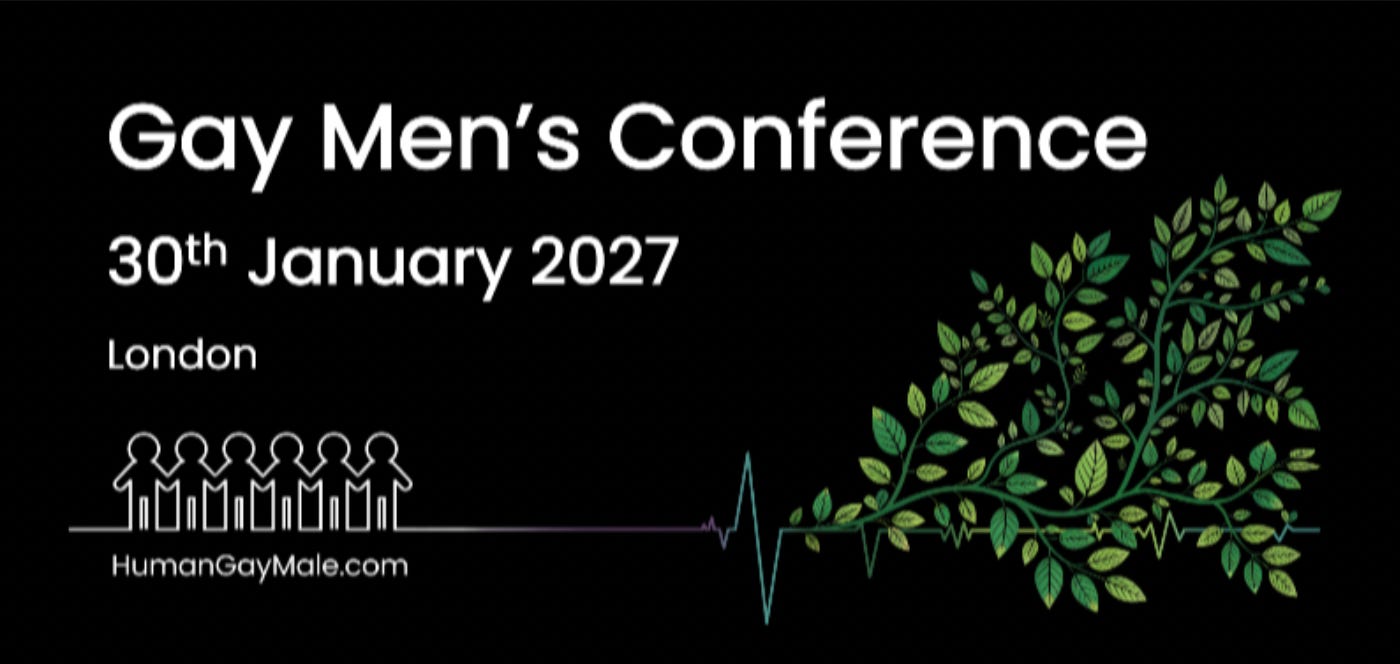
Human Gay Male is offering Sex Matters’ supporters 20 percent off standard passes to its annual conference: use the code SM20. This interactive one-day event will bring gay men together to explore the issues that matter to them and help shape advocacy based on biological sex and sexual orientation.
In other news
‘Woman is a dirty word’: The trans culture of fear plaguing the NHS
“It’s like life under a repressive regime. Most people disagree with the policy but no one dares to object, because no one knows who the informers are. Everyone has to bite their tongue and play along. You wear your pronoun... - Fiona McAnena
Janet Murray • The Telegraph
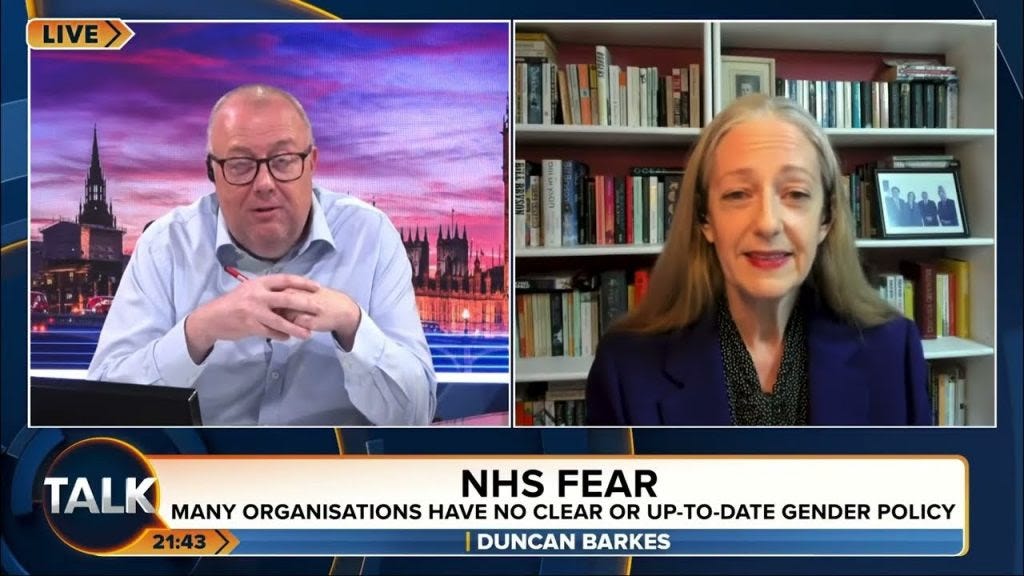
Single-sex spaces in the NHS | Helen Joyce on Talk TV
Duncan Barkes • Talk TV
Trans in the City ‘misleading employers’ with company guidelines, campaigners claim
Ali Lyon for City AM reports on our letter asking the EHRC to take urgent action over guidance published by Trans in the City that is wrong in law and misleads employers about their legal obligations.
Ali Lyon • City AM
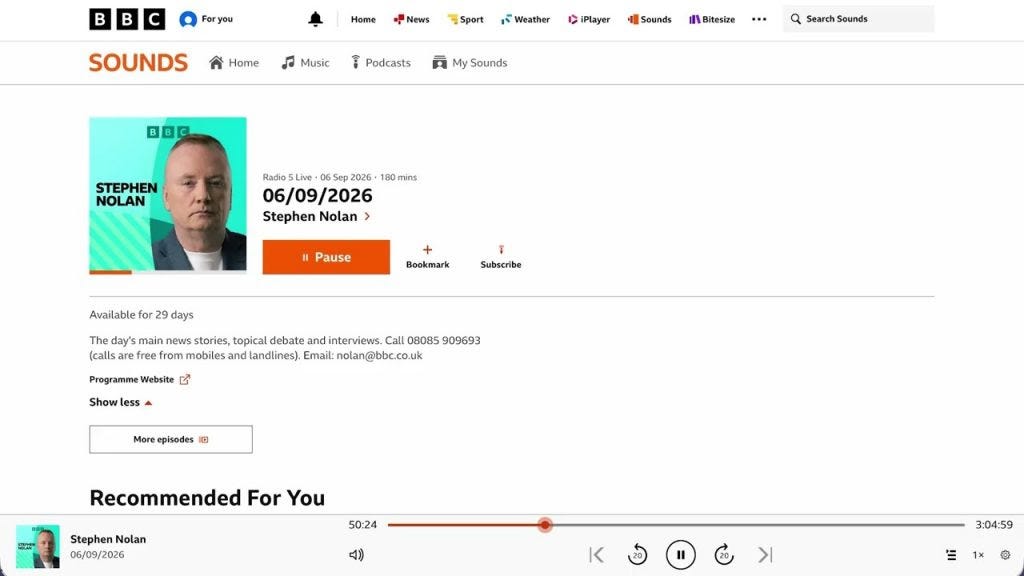
Girlguiding is for girls | Fiona McAnena debates a trans activist on BBC Radio 5
Stephen Nolan • BBC Radio 5
If you’d like this memo in your inbox every Friday at 5pm, join our mailing list now.
Sex Matters survives on your support.
Without it, we simply wouldn’t exist.
Sex Matters can deliver essential research and analysis, help shape the debate, and empower people with clear, published guidance on their rights – but only with your support. Please contribute what you can to keep us going.