

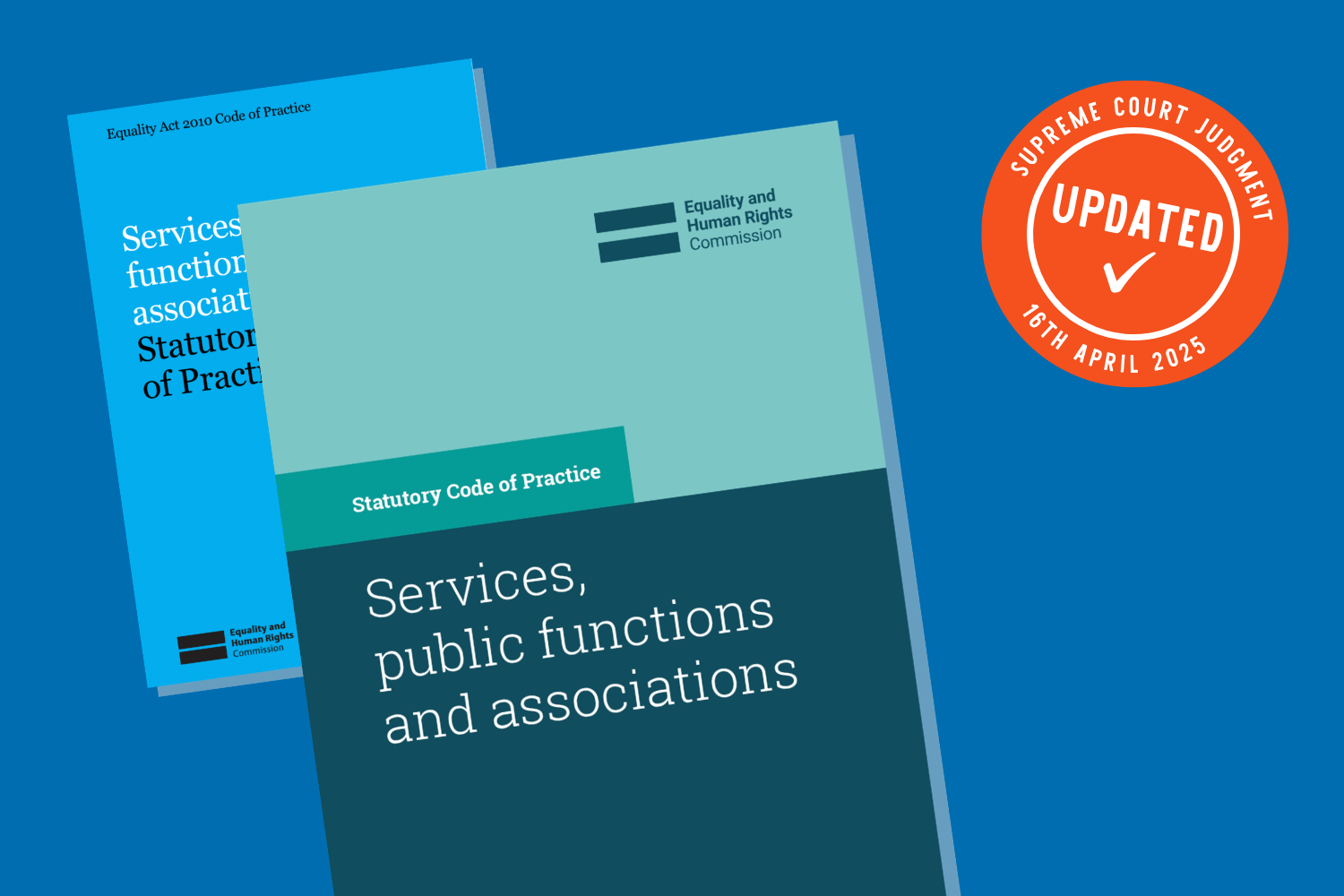
On Thursday 21st May the Equality and Human Rights Commission’s long-awaited code of practice for services, public functions and associations finally landed. It is largely very good and will be helpful to give businesses, public bodies, charities and associations confidence to follow the law, not the misinformation.
Service providers should get cracking and fix their policies now. “Waiting for the guidance” was always a bad excuse, but in any case now it is gone.
Most importantly, the new code replaces a legally flawed line in the previous version, dating from 2011, about allowing people to use single-sex services “according to the gender role in which they present”, which did untold damage. The new version instead provides detailed explanations of how the single-sex exceptions work based on sex, not gender identity.
It explains that there is no lawful option whereby service providers can admit trans people to a service intended for the opposite sex. If they do this, they are likely to lose the ability to rely on single-sex and separate-sex legal exceptions, opening them to liability for committing sex discrimination against people of the opposite sex who remain excluded, and sex discrimination or harassment against people forced to share an unexpectedly mixed-sex space. This is the argument we are running in our case against the City of London over the gender identity-based admissions policy at the Hampstead ponds.
When the guidance dropped, our team settled down to speed-read, interrupted by sending out press quotes, answering a zillion WhatsApp messages, and recording media interviews and our own podcast to help people understand what is important in the 300-page document. You can watch the podcast on YouTube and read our initial analysis on our website.
Over the next couple of weeks we’ll publish a series of blog posts on what the guidance means in various situations: how it will affect different kinds of individuals and organisations and where there might be loopholes or confusion. To get our posts in your inbox as soon as they’re published, subscribe to our Substack.
Overall, we gave the guidance eight out of ten. While there is lots to be happy about in it, we were dismayed to see that it includes a new section on “asking about sex”, which includes legally incorrect advice presented as a requirement of data-protection law. This advice that sex is “special category” and sensitive data is wrong in law, undermines the rest of the guidance, recreates the problem it set out to solve, and harms women’s rights and safeguarding.
This section should never have been included in the guidance laid before Parliament and should be disregarded. It appears to have been added at the last minute following pressure from the government’s Office for Equality and Opportunity to say that there are “limited circumstances in which it may be legitimate for service providers to ask about a service user’s sex” and telling businesses they need staff training on relevant procedures and protocols. (I wonder which organisations will be lining up to deliver that?!)
This directly contradicts both reality and the Supreme Court’s clear interpretation of the law. There are limited circumstances when service providers can ask or record your sex, in the same way that there are limited (but fairly broad) circumstances when a service provider can ask your name, address, date of birth or whether you would like a vegetarian meal. They don’t need to treat sex as special sensitive data.
Read our update about what is so wrong with this part of the guidance. (If you’d like to get our updates emailed to you as soon as they’re published, subscribe to our Substack.)
We will be writing to the Minister for Women and Equalities, Bridget Phillipson, and to the chair of the Equality and Human Rights Commission, Mary-Ann Stephenson, calling for this section to be withdrawn.
Maya Forstater
EHRC guidance finally here!
The new code of practice explained
This week, Maya, Helen and Fiona give their initial take on the Equality and Human Rights Commission’s long-awaited update to the Code of practice for services, public functions and associations, which has been published by the Minister for Women and Equalities and laid before Parliament.
Read our first analysis of the code.
To see our video output:
Will the government solve the sex-data problem in this Parliament?
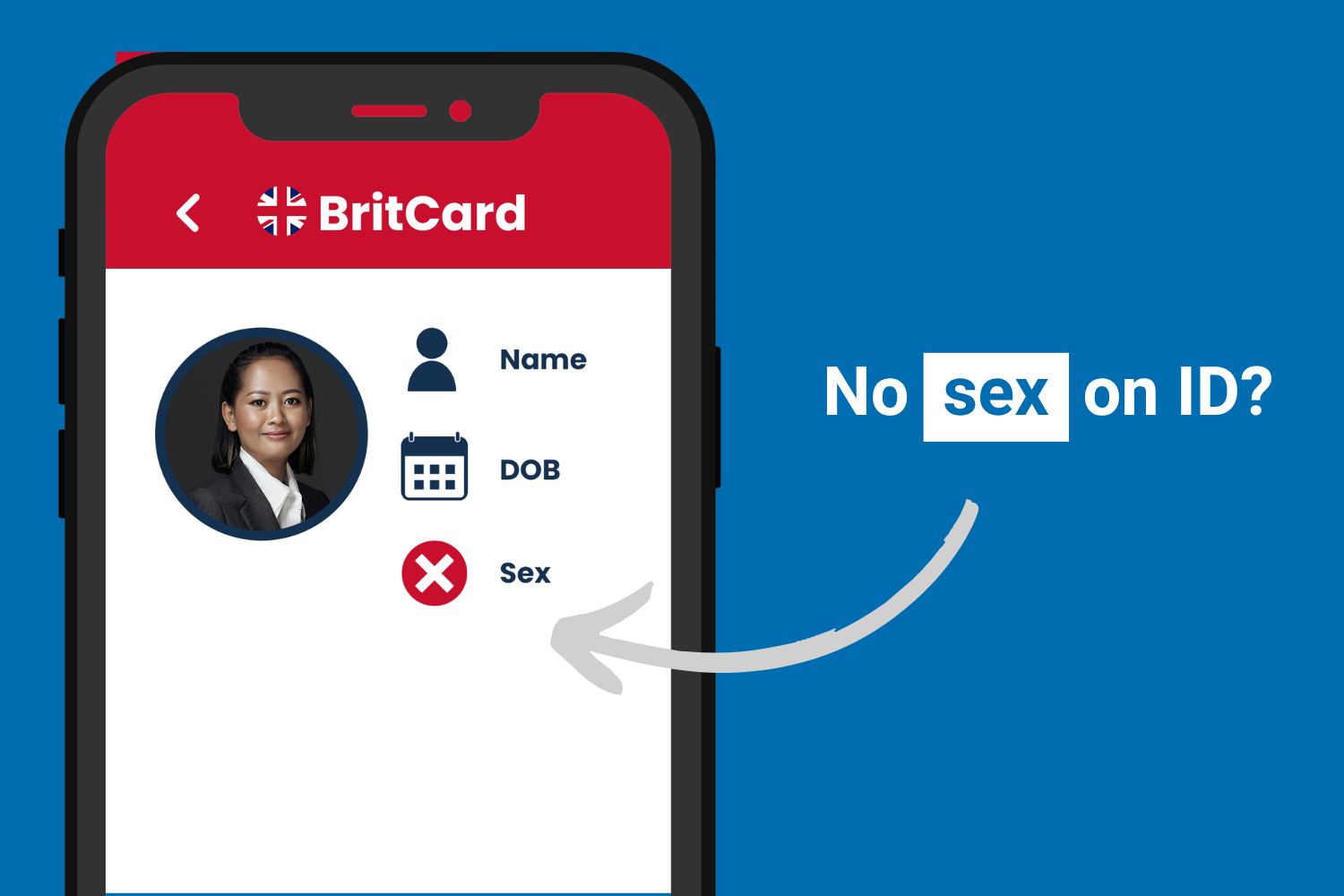
In the King’s Speech the government announced that it is pressing ahead with a Digital Access to Services Bill that will introduce free, voluntary digital ID, and has said this will not include sex. As the mess in the data section of the EHRC guidance shows, it is crucial to get sex data right. We have published our response to the consultation on digital ID and our equality impact assessment, which shows what a bad idea it is to leave sex out of the plan for digital ID.
What is in the new guidance?
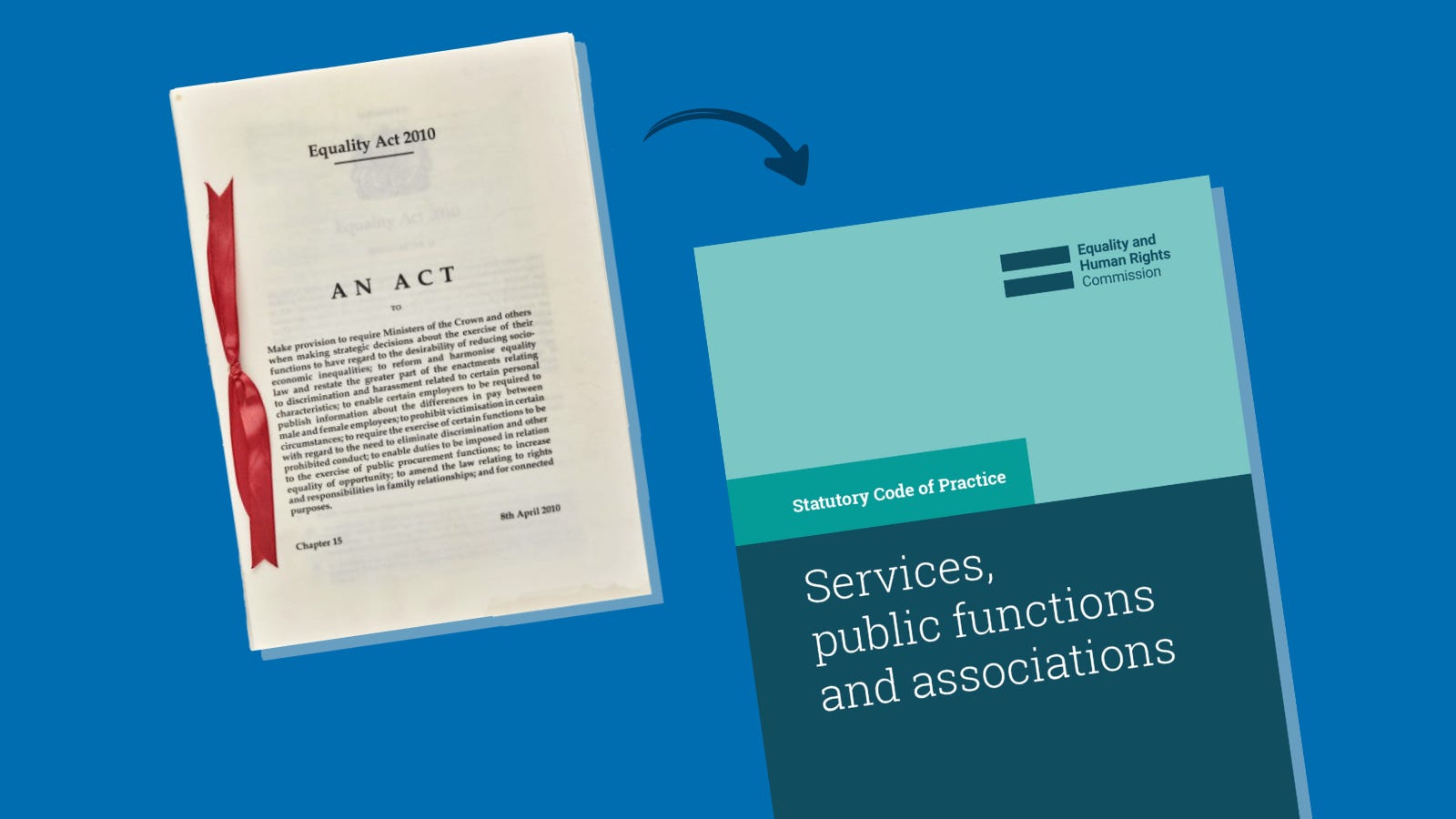
The excuse of “waiting for guidance” has finally gone. And the biggest flaw of the 2011 guidance – that it told service providers to operate based on gender self-ID – has been taken out.
Sex is not “special category” data

The draft EHRC guidance includes a new section on asking about sex that is wrong about the law. There are five reasons why we will be asking for this section to be withdrawn.
In the news
The publication of the EHRC’s updated code of practice was covered widely, including by Alison Holt and Nick Triggle for BBC News, Katie Harris for the Daily Express, Daniel Martin for The Telegraph, Geraldine Scott for The Times, Martin Beckford for the Daily Mail and Lauren Gordon for The Mirror. Maya was quoted extensively, with each outlet taking different lines from her analysis, including that there are no more excuses for organisations to delay updating unlawful policies.
Maya was interviewed by BBC News and Sky News. Helen was interviewed on BBC Radio 4’s The World Tonight, Jeremy Vine on BBC Radio 2 and Julia Hartley-Brewer on TalkTV. Fiona was interviewed by Jeremy Kyle on TalkTV.
In other news, Jason Groves for the Daily Mail revealed comments made by Labour leadership hopeful Andy Burnham that men who identify as female should be allowed to use female toilets, and that those who fight for sex-based rights represent a “minority view”. Helen said that any politician who aspires to be prime minister needs a better grasp of what voters want than to think that fringe transactivist views are mainstream.
Helen was interviewed for a feature by Irish Daily Mail journalist Georgina Heffernan, which covered Helen’s personal background and journey to becoming an author on sex-based rights and director at Sex Matters.
Also for the Daily Mail, David Churchill wrote that the NHS could face thousands of discrimination claims from female staff across the UK following the successful employment tribunal of an NHS employee in Leeds. The tribunal found that she had suffered discrimination and harassment because trans-identifying male colleagues were told they could use women’s toilets and changing rooms according to NHS England policy.
If you’d like this memo in your inbox every Friday at teatime, join our mailing list now.
Sex Matters survives on your support.
Without it, we simply wouldn’t exist.
Sex Matters can deliver essential research and analysis, help shape the debate, and empower people with clear, published guidance on their rights – but only with your support. Please contribute what you can to keep us going.
Women only in Ladies' 🚽 shouldn't be @ Supreme Court or in news headlines.