

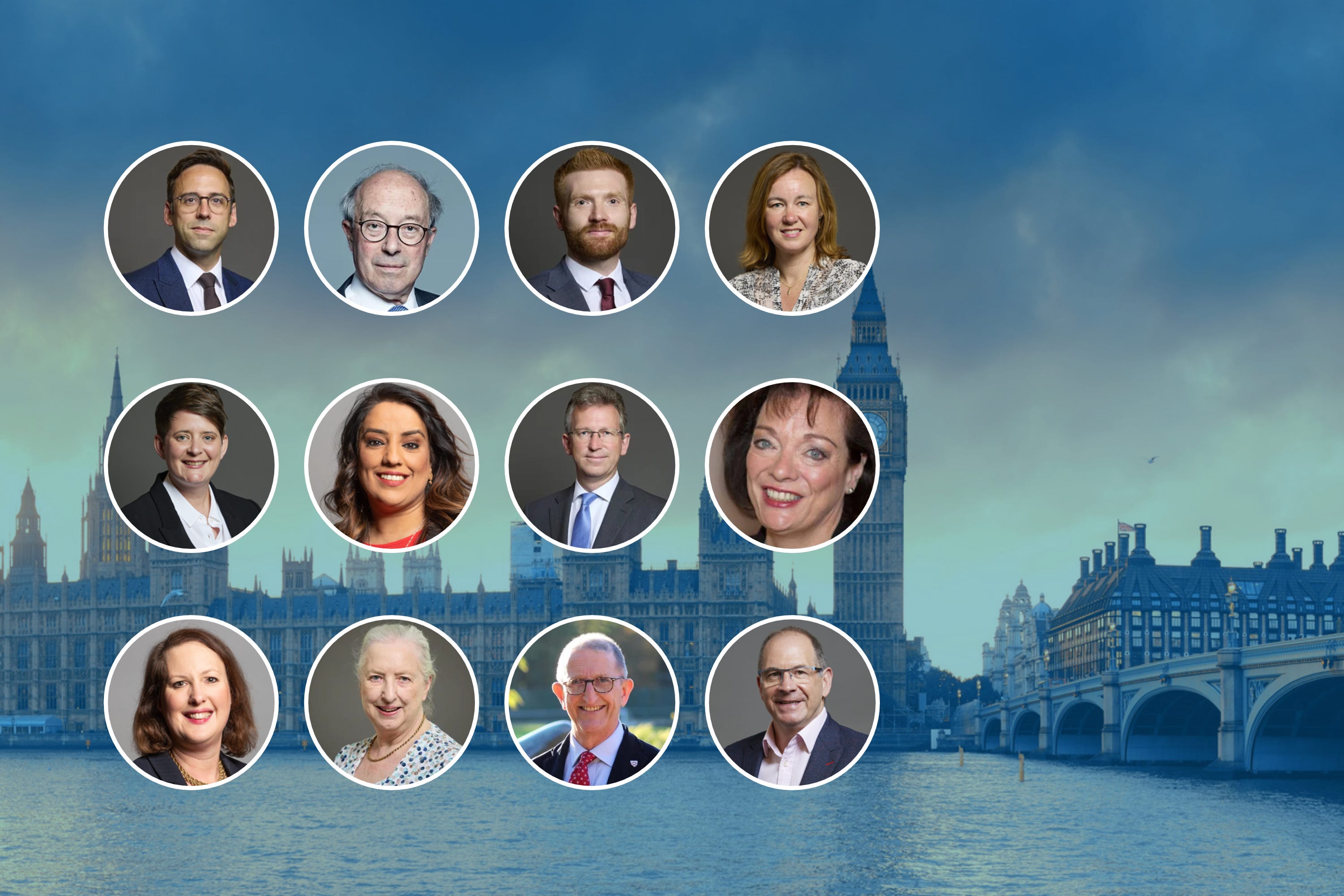
The parliamentary committee that is scrutinising the draft Conversion Practices Bill started today.
It is made up of MPs Olivia Bailey, Alex Barros-Curtis, Danny Beales, Marie Goldman, Naz Shah, and Sir Jeremy Wright and peers Lord Scriven, Baroness Brown of Silvertown, Baroness Browning, Lord Hope of Craighead, Lord Isaac, and Baroness Prentis of Banbury. The committee’s 12 members have 12 weeks to consider the draft bill, during which they will call for and consider written evidence, hear from witnesses in person and produce a report with recommendations for the government.
You can read our briefing on the Conversion Practices Bill.
We hope that this process of scrutiny will expose the big problems with the bill. There will be opportunities for lawyers, parents, teachers, clinicians and others to submit written evidence and for some to give oral evidence, and for the media to shine a light on a government plan that could criminalise ordinary conversations.
When they hear “conversion therapy”, most people think of historical attempts to “cure” gay men and lesbians, such as electric shocks, nausea-inducing drugs or “corrective” rape. These were abhorrent. But today the perpetrators could be prosecuted for assault, grievous bodily harm or rape.
The government has produced no evidence that there are people suffering such abuses in the UK today who are unable to get justice. Instead it has adopted the framing of campaigners who have extended the term to cover the vaguer “conversion practices” and not just sexual orientation but gender self-identification.
If the bill becomes law it will bring police into ordinary disagreements between parents and their children, for example over “preferred pronouns” or whether a young teenage girl is allowed to wear a breast binder. While the bill’s proponents say it aims to punish abuse, it is drafted so broadly that it would leave vulnerable young people who are questioning their gender identity with less access to high-quality, ethical professional help, and would expose parents, therapists, teachers and charities to criminal investigation for ordinary, lawful and often protective conduct. We think the proposed criminal ban will harm the very people it seeks to protect.
The eight biggest problems with the bill
It intrudes unacceptably into family life. There is no protection for parents who, in good faith, do not agree to a child’s social or medical transition. It creates wide new “protection orders” which could be used to compel parents to affirm their child’s gender transition, under threat of imprisonment.
Protection orders are open-ended. Courts may impose any “prohibitions, restrictions or requirements” they consider appropriate, without notice and on application by anyone with the court’s leave. This could include requiring a parent to use a chosen name, support social transition or fund medical transition.
It would drive skilled therapists away from vulnerable young people. The healthcare exemption does not work in practice. Research published by Sex Matters about the impact the planned new law would have on therapists provides ample evidence of this.
It would harm young lesbians and gay men. Many gender-distressed young people are same-sex attracted. Lesbian and gay clinicians told us that in their opinion affirming a gender non-conforming gay teenager as the opposite sex is closer to conversion.
It conflicts with schools’ legal safeguarding duties. A school following statutory safeguarding guidance could be accused of a conversion practice, with governors held personally liable.
Its key terms are vague or open-ended. “Abuse” is left for courts to decide case by case, and “transgender identity” has no stable meaning.
It is open to misuse, and the case for it has not been made. Anyone can bring a private prosecution without the consent of the Attorney General or the Director of Public Prosecutions. Violence, sexual abuse, threats and coercive control are already crimes. The government’s own notes say the new ground is mostly “verbal or non-violent” conduct, which is very widely drawn indeed.
It is an attack on free speech. A bill which enables protection orders requiring affirmation of a belief — that a person is “transgender”, or is a woman in a male body, or any other variation of transgender belief — is incompatible with protecting freedom of belief and freedom of expression. Protection against belief discrimination in the Equality Act 2010 includes “gender-critical belief”, that is, saying that no one can change sex, and that it is important to be able to say so.
What will happen in the committee
The committee cannot amend the bill. It takes evidence and publishes a report with recommendations, which can include suggested drafting.
The government normally responds to such reports within about two months and decides what to change before formally introducing the bill.
What the draft bill does
Defines “conversion practice” widely as “any conduct” towards a person intended to make them have, or not have, or believe they have or do not have, a sexual orientation or a “transgender identity”.
Creates a criminal offence which hinges on an undefined term. The offence of carrying out an “abusive” conversion practice can apply to anything that causes serious harm to physical or mental health, or serious alarm or distress with a substantial adverse effect on day-to-day activities. The maximum sentence is five years.
Creates “conversion practice protection orders”, which could be used to compel a parent to use particular names or pronouns, to affirm a gender identity or to support medicalisation of their child, with breach punishable by up to two years in prison.
Creates an offence of encouraging or assisting such a practice abroad.
Puts a target on organisations that do not support affirmation. Makes company directors, charity trustees and similar officers personally liable if they fail to “take all reasonable steps to prevent” an offence by their organisation.
What the government says
The government argues that existing laws on domestic abuse, coercive control and communications do not cover all conversion practices, and that a clear and broad legal definition will help the police. It says the threshold is high: the explanatory notes equate “serious harm” with actual bodily harm or psychiatric injury. It says the bill does not criminalise beliefs or “explorative conversations”.
However, these assurances are not in the bill itself. A criminal court will apply the words of the act, not ministers’ statements or explanatory notes. The bill contains very few safeguards.
We think the bill should not go forward in its current form.
Read our briefing on the bill and the pre-legislative scrutiny process.
Related content
Conversion Practices Bill threatens ethical therapy
Conversion therapy: still not legal – or still not happening?