On 17th December there was a full-day “permission” hearing in our case against the City of London over the Hampstead ponds. A decision on whether the case can go forward is expected in January.
The permission hearing was held because the City of London, rather than defend the lawfulness of its policy of allowing men into the women’s pond, is trying to put up procedural barriers to the policy even being questioned.
It says that our claim is out of time because it has been following a gender self-ID policy since 2017. At the same time, it argues that our claim is premature because it is planning to change the policy for the Hampstead ponds next year following a consultation. It also argues that Sex Matters doesn’t have standing and that instead of answering our claim, individual women should bear the burden of bringing cases.
We say that this kind of squirming shouldn’t allow the City of London to duck and dive its way out of defending its policy and complying with the Equality Act.
If it is confident that its policy based on gender identity is lawful and doesn’t result in sex discrimination or harassment, it should defend that policy. It is in everyone’s interest to understand whether it is lawful to provide a service for women that includes men with the protected characteristic of gender reassignment.
Our argument, in line with the Supreme Court judgment, is that the law is clear: a service provider which puts up a sign that says “women only” or “men only” is engaging in direct sex discrimination. This is unlawful unless it can avail itself of an exception that allows a single-sex or separate-sex service. And sex means sex.
Operating separate-sex services can be lawful. Operating “gender identity”-based services is not.
The City of London told the court that men are excluded from the women’s pond on the basis of their gender identity not their sex, and the same for women excluded from the men’s pond. This, its legal representative argued, means it is not engaging in sex discrimination.
We say this is based on a fundamental misunderstanding of the law.
If the City of London tried to pay female staff less or restrict them from certain jobs, arguing that this was not unlawful sex discrimination but only a rule about “female gender identity”, it would be laughed out of court.
The sexism and disregard for women’s autonomy, safety and dignity involved in these word games should be plain to see.
At one point Judge Natalie Lieven told the City’s lawyer Daniel Stilitz KC to “dial it down” after he tried to argue that the Supreme Court judgment related only to individuals with a GRC and said nothing about whether the City’s broader gender-identity based policy is lawful.
Does the City of London understand sex discrimination at all?
The men’s and women’s ponds are unique and valued amenities, and the rules matter for the women and men who swim there and who might wish to swim there.
But this case is not just about a much-loved muddy pond. It also offers an opportunity to show how the Supreme Court’s conclusions about the definition of sex in the Equality Act translate into practice, and to make clear to institutions like the City of London that they must consider women’s needs and understand what sex discrimination means.
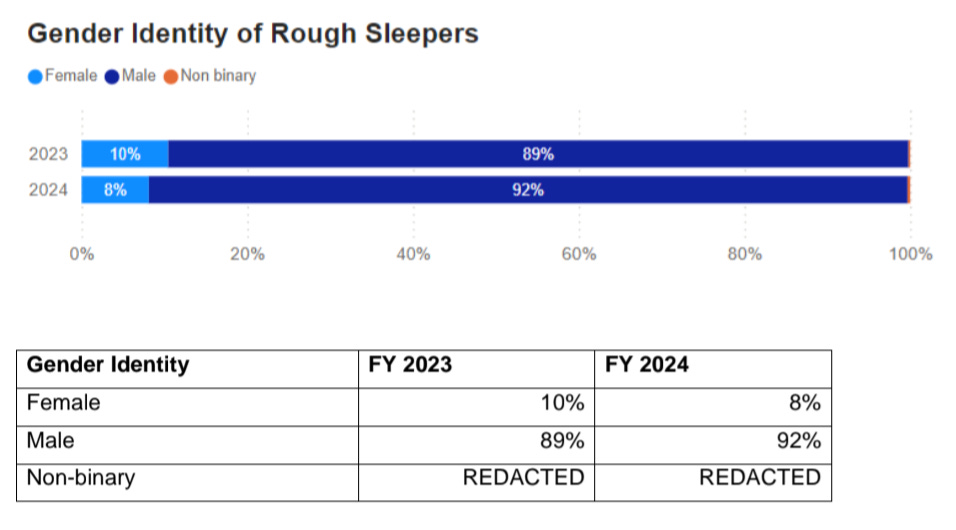
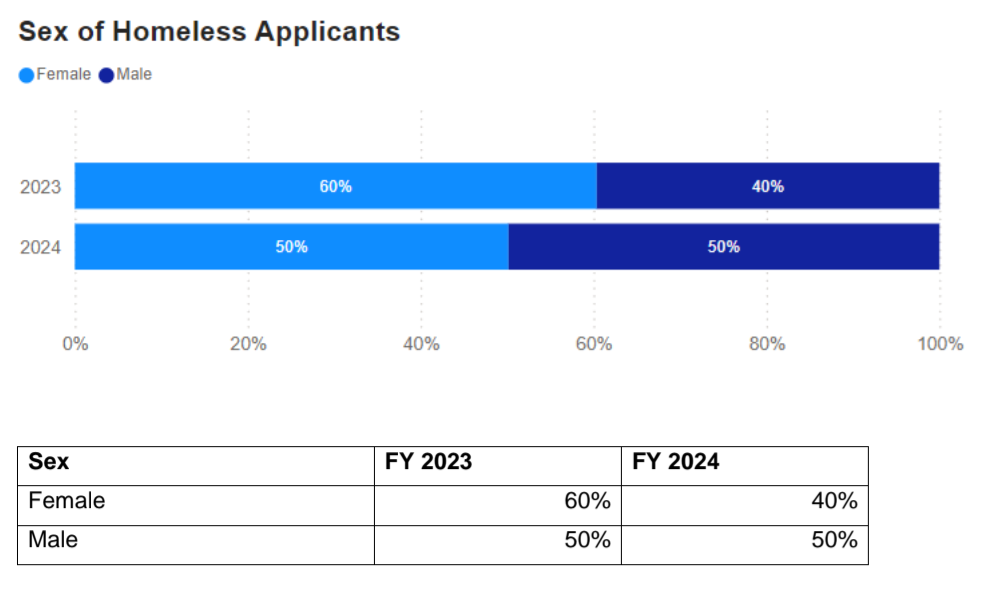
The City of London appears quite confused about this. In its equality monitoring it records, for example, that rough sleepers are male, female (or non-binary) as a matter of gender identity, but homeless applicants are male or female as a matter of sex.
The City of London is host to and advocate for the UK’s financial and professional services sector, which employs 2.5 million people nationwide. Last year the House of Commons Treasury Committee published a report on sexism in the City. It noted the under-representation of women in senior positions and the large difference in average pay between men and women in the sector. It identified a range of barriers faced by women, including macho workplace cultures and prejudicial attitudes towards maternity leave, motherhood and women more generally. It also reported shocking levels of sexual harassment and sexual assault.
The City of London is currently running a campaign against sexual harassment, #DontCrossTheLine. Sexual harassment, it says, can happen to anyone, adding that:
“...statistics show that women are the most likely to experience sexual harassment, assault and abuse, along with LGBTQIA+ people. Perpetrators are overwhelmingly most likely to be men.”
And yet it still says that a special caste of men should be allowed access to spaces where women and girls are naked, changing or vulnerable. In court its legal representative said Sex Matters’ position was “stark and extreme” and described us a “busybody” for challenging the policy. It said in its written pleadings that the experiences we reported on, and included as witness statements from women upset by finding cross-dressing and naked men in the women’s showers and changing rooms, were “open to interpretation”.
This failure to recognise what could reasonably be experienced as unwanted conduct related to sex is in stark contrast to the City of London’s public messages that it does not tolerate harassment or abuse.